So I first saw this movie when I was seven. The city where I lived had just gotten its first indie television station & they played all the Godzilla & other disposable sci-fi movies every Sunday afternoon. This one wasn’t holding my attention as it was lacking in action. It was probably about half way through when my brother (five years older than me) walked in & said, “Oh, this is the one where the common cold kills the aliens.” So the ending being given away I went to play with my Star Wars action figures.
I’m not really sure why I never re-visited this movie before. One of my favorite comics as a kid was the Killraven series that was a sequel to War of the Worlds (about the Martians coming back & there being a group of four or five revolutionaries trying to survive & be a thorn in the Martians’ side). I was pretty intrigued by the 1988 television show based on it. I read the Orson Welles radio play for school. I saw the Steven Spielberg version of the movie from 2005 & I kind of dug that as well. Around 2007 I finally read the original book. So yeah, this movie, presumably my first taste of the horror survival genre (note the genre the book was originally classified as is “invasion literature”), you’d think it would have been something I would have gone back to; but I remembered it being so slow & boring that I never went back.
So tonight it was on television & I put it on while I did some work laying out some comics. As a person who has become a fan of old movies, this isn’t that slow; but I cannot imagine it being of interest to a child. Is it dated as an almost 70 year old movie that relied heavily on what were the best possible special effects of the time? Yes, in the same way most big budget sci-fi movies are when they’re as little as ten years old. One thing that was strange is there’s a lot of weird religious elements thrown in here about God designing the world to have bacteria to fight aliens if they ever invade & people’s prayers for a miracle being answered. I can’t remember if that’s in the ending of the book (or the Spielberg movie) or not. To be honest, I can’t remember the endings of any of them because it is such a cop out ending to make this huge big bad & then just have it die suddenly. (Though what are the alternate endings? Total decimation of the human race (try getting that published in 1898!) or the humans magically have superior technology to aliens? I guess the cop out is as good an ending as any.) It’s interesting that this movie doesn’t really work on the quasi-political fear angle at all (the original book was about the fear of a foreign nation (presumably Germany at the time) developing superior war technology & destroying England). In fact this movie doesn’t really seem to have any kind of message behind it, it just feels like a summer blockbuster. That said, this movie really has nothing wrong with it, but unless you want to look at it for some nostalgia or historical purposes I really can’t give it a recommendation.
I first saw this movie in the early 2000s. It seemed like every time I came home from a show it was half way done & I’d have it on while eating some ice cream or something like that. I loved John Cusack from High Fidelity (I was slow to get on the John Cusack train) & the black comedy hitman aspect was of course super awesome as well. For those of you who haven't seen it, it's the story of a hitman going to his ten year high school reunion & trying to get back his high school sweetheart.
I’m not sure exactly how I ended up owning a DVD of this movie & I never actually watched it even though it has been sitting in my room for years. Watching it was odd because while I’m 90% sure I’ve seen the entire movie before, I’m also 100% sure I’d never seen the whole thing in one sitting much less without the commercials. I’ll be honest. I think I preferred this when my drunken mind had put the bits together into a cohesive whole. There were major plot points that were missing in my mind. I’d forgotten about the psychiatrist & that John Cusack had assassins after him because of killing a dog (I thought it was just for not joining Aykroyd’s assassin guild). It wasn’t quite as good as I remembered, but the 1980s semi-shoegazery soundtrack (The Cure, Echo & The Bunnymen, Siouxsie & the Banshees, The Pixies, etc.) was a lot more fun than I remembered. I kinda wish this was still on the television regularly when I got home from shows.
In my teens I got into Joy Division. I thought of New Order as the crappy pop band they turned into after Ian Curtis killed himself. But when I went to college the dude who worked at the record store I went to gave me a cassette of an early New Order live show & I had to admit it wasn’t too far away from my beloved Joy Division. I found a cassette copy of Power Corruption, & Lies & became a staunch supporter of the “Those first couple of New Order albums are where Joy Division was headed” school of thought.
The last time I tried to listen to Power, Corruption, & Lies was on tour with my biological son a couple years ago. I thought it was a good record & he’d be into it. His reaction was something like, “Are these guys gay? This sounds gay!” So re-listening to it without thinking about Joy Division I get what he means. It’s an early 1980s dance record. One of the first successful attempts to take the dance floors back from disco. I still think it’s mostly awesome. “Age of Consent,” “Blue Monday,” “Leave Me Alone,” “5 8 6,” & “Ultraviolence” would all be on a New Order’s Greatest Hits for me. The only song I think of as a clunker is “We All Stand” & that’s probably just compared to the rest of the album. Just check out this record & if listening to it makes you gay, you were probably gay in the first place.
I got this album back in 1995. I knew the song “Third Uncle” from Bauhaus covering it & then the Eno version appeared on a history of industrial music compilation & of course I was familiar with Eno’s ambient work & acting as a producer on a ton of albums I liked. So I was pretty stoked by the idea of an album that sounded like “Third Uncle.” & that’s not at all what this album is. I listened to this once & filed it away as more or less sucking.
In 2002 I stumbled across an interview with Eno & became a big fan of him as someone talking about music & read a few of his books & Jessica Bailiff gave me a copy of Another Green World & I really love that album (which is the album after Taking Tiger Mountain), but still didn’t bother to give this album another chance. So I finally re-listened to this & I still think this is pretty awful. It’s basically quirky & witty 1960s pop in the style of Herman’s Hermits, The Beatles, & Syd Barrett era Pink Floyd which for me is not a great thing. It also reminds me of some of the hometaper pop music of the 1990s (the thing that makes that genre work for me is the fact that I’ll probably only listen to the tape once). I don’t know why I don’t like most of the songs on here while I really like Another Green World as they really are stylistically similar, but I know that I don’t. For me, make sure you’ve heard “Third Uncle” & after that move on from this album.
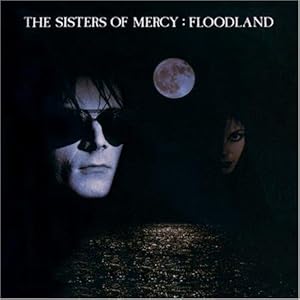
This was the first Sisters of Mercy album I ever got. It was 1991 & I’d just started getting into goth music & they had this for $9.99 at Phar-Mor. I’d mainly been into the more shoegaze & almost metal end of goth & The Sisters were my first experience in the dance & fashion aspect that really would define the genre. As I went on tours over the next decade I saw & heard a hundred bands inspired by this album & heard the singles at the clubs all the time & the idea of actually listening to this album on my own just didn’t occur to me anymore.
The re-listen was odd. It kicks in with “Dominion/Mother Russia” which seems like a pretty great song, but it is really melodramatic & long. When the sax kicks in, the image of that walrus playing a saxophone comes to mind.
To me the songs that are successful are the dance singles. “Lucretia My Reflection” has a bassline that I end up playing half the time I pick up the bass & “This Corrosion” which clocks in at almost eleven minutes somehow almost works even at that length (though the idea of a pop song being extended to that length is a little off to me) with it’s highly dated & bizarre choir backing vocals. Strangely the song “Colours” which I probably hated as a kid (“why does this just have four lines over & over for seven minutes?”) is a new favorite for me & the one song on here that I could really see myself doing a version of (though I probably wouldn’t have the guts to make it more than two minutes long). In the end as a whole this album mainly works for me as nostalgia & the dance music works as dance music, but I don’t understand why this was the album for a whole genre to be built around & I think if I listened to their whole catalog I would see The Sisters as a singles band instead of an album band. Though I guess I don’t understand the idea of derivative music as a goal.
(note picture is from early 2000's when we got together for 2 songs during a Plumerai set @ King's Barcade in Raleigh, NC)
burMONTER was my first real band ever. I had just returned to the States and was intent on starting a band that was representative of the type of music I actually listened to at the time. Whilst in Deutschland I was playing guitar in what surmounted to a HC/Punk/Metal cover band. We did a lot of Misfits covers and broke it up with songs by Spermbirds, Slayer, & DRI. But what I was listening to at the time was the Cure, Lush, Violent Femmes, The Cramps, and bands of that ilk. So immediately after arriving in the US I began searching for bandmembers and would eventually recruit a drummer that lived a neighborhood over and a vocalist that I met by chance. We went to the same HS but didn't have classes together...just happened to see each other in the halls on occassion. Like my current band, my brother took over the rhythm guitar and eventually moved to bass when the bassist we found bailed but for the sake of this recording we captured it as a five piece. That in a nutshell was how burMONTER began. Since we were in a podunk North Carolina town, there weren't that many options in regards to playing live shows, so we wound up spending more time writing and making home recordings.
My last Christmas in Germany, my parents had bought me a Tascam Porta-Studio 4-Track. So it was this device that we recorded our first demo tape, the self-titled burMONTER. It was the first go at writing songs and recording them as a band I had experienced up to this point. The year was 1991 or 92.
As mentioned the influences on these songs were mostly The Cure, Mission UK, Violent Femmes, Lush, the Sundays, the Smiths (for vocals) and an assortment of others that the rhythm section brought in and I would probably be unable to recognize without it being pointed out to me.
"Last Breath" was the opener and was proceeded by a brief vocal swell ala "Hero Takes A Fall" by the Bangles before the muted guitar influenced heavily by 17 Seconds era guitar intro kicks in. Just a heavy kick and the muted guitar. It then pops with a straight forward rock beat and rhythm with arpegiated guitars for the verses and the choruses burst in with a typcial C-D-G with a Robert Smithy strum pattern. This was the first original song I had ever written and aside from using such a common chord progression during the chorus I don't think it was such a bad effort. When we toured Germany a few years later, this song made it's way back into the set and held up just as well if not better than some of the newer material. What I notice most about these recordings are the bass lines. Totally not typical of my post-punk/Simon Gallup influences. Charli Ramos was older and more influenced by music from the 70's and the bass represents that. Also, this was back when I did a lot of lyric writing which probably made it more difficult for our vocalist to come up with vocal melodies....or did it? The song doesn't really go anywhere to me, just some parts that sound good together, smushed together. The final vocal line today sounds weird to me "i have breathed my last breath"...is that even proper english?
"The First Rays of the Waking Hour" was probably more solid songwriting. It had a long instrumental intro definitely influenced by The Cure's "Push" with single notes played high with a bunch of open strings to fill out the sound. The drums do that double time beat that's popular in Pop music that I enjoy and once the verses start you can hear a bit more of my Bangles/Cure influence in the guitar. The song is light and very 90s. I sort of wish we had keyboards back then.
The other highlight of this demo is the song "Dalia." More Cure influence with the tribal drums and the guitar solo in the end and also the darker lyrics and use of some Robert Smithisms in both the guitar and the lyrics. This was a song that never left our set once we started playing live. Of note are Charli's backup vocals during the chorus. The really boominess of the drums I think are great and our drummer at the time went on to become a phenomenal player far surpassing the skill level of anybody else involved in this project.
The other songs I don't even want to mention, full of youthful idiocy and lameness. But what I do notice is that the sound quality on this demo is much fuller and although very flawed, much better than the demo's that came after it, Hybrid I & II. I'm not sure what we did right here and wrong on the other recordings. We basically recorded the drums with three random mic's that we happened to possess and then bounced it down to one track. Then added the overdubs and did the same until we were done. Recording all onto cassette tape mind you. While not something I would say I'm proud of, this recording for the time and method and the place that we were at the time, I think came out okay. I'm pretty sure the bass went direct and the guitar was a horrible little crate practice amp with built-in chorus and a Charvel Model 4 guitar, so to begin with, we had so much working against us. As I learned later, what saved this record probably was getting a fairly decent drum sound (for what we were working with).
I first got this record back in 1998 because I was doing QRD & got promos from Beggar’s Banquet. In one envelope were my two favorite records of that year, Hefner’s Breaking God’s Heart & Six By Seven’s The Closer You Get. From the outside there was no reason I would like the Hefner disc as they had none of the elements I was really into at the time. No shoegazing guitar. No tribal drums. No ambient drones. No baritone vocals. More or less straight indie rock with a little bit of a Buddy Holly edge. But somehow I gave it a chance & it was an instant favorite.
I’m not sure how long it’s been since I heard this record or how it ever got out of my rotation. It is pretty incredible & I’ve always had a fondness for it. It’s funny because even now I don’t find any of the many bands that “sound” like Hefner (Built to Spill, Weezer, etc.) interesting at all & there’s something special about Hefner. I’m not sure that what I really like about Hefner actually has anything to do with the music as much as Darren Hayman’s ability as a storyteller with his lyrics. All of the songs on here are narcissistic passive-aggressive tales of semi-unrequited love & I don’t know if I’d like them as much if they weren’t so easy for me to relate to them, but luckily enough I can. I think this might be one of the twenty records I will always want to own & I’d be willing to put it up against Neil Young’s Harvest or Bruce Springsteen’s Nebraska & I’m not sure I can think of any band with a stronger debut album. It may be better to me now than it was all those years ago.
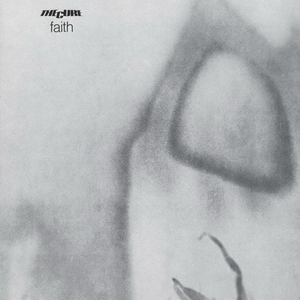
Here I go with another review of something from the past updated in the present. This time it's The Cure's album Faith.
As many of you may have already known, recently the Cure had played a series of shows called Reflection. The basic premise was that they were playing back to back and in sequence, their first three albums. Three Imaginary Boys, Seventeen Seconds & Faith. Unlike their Trilogy concerts where there was a general mood being set by the choice of albums, the Reflection shows were basically a musical journey documenting their transformation from post-punk to goth (or whatever you consider the darker majestic side of this band). It's the final album in the set that I want to concentrate on, because it's the first time the Cure emerges with the sound that they've become known for. It's the album where the combination of big keyboards, tribal drum patterns, the melodic yet driving bass lines and the melodies being played on the bassVI all come into play to create a particular mood that the Cure would employ again and again (and again and again and again).
Like I said, it was seeing them play the album in it's entirety live at New York City's Bowery Ballroom on the final night of the tour and presumably the last time they do these Reflection shows, that it all came to me. Possibly as a result of hearing the three different albums in sequence, I was able to see the metamorphisis of the group. It wasn't as apparent to me before I think because of the production of Faith being what it is. While I always felt Faith/Pornography/Disintegration seem more of a Trilogy than Pornography/Disintegration/Bloodflowers, hearing the Faith album live and loud and surrounded by both the atmosphere and the moodiness of songs such as The Holy Hour, All Cats Are Grey and the highlights of both the recorded album and the live show The Drowning Man & Faith really made apparent that this was to be the album that set the tone and informed all the albums to follow until Kiss Me Kiss Me Kiss Me.
A big deal was made of these shows because Lol Tolhurst would join the band for the first time since his acrimonious departure around 88-89. Although, his inclusion seemed like a gimmick. He was relegated to playing extra keys and percussion on just the Faith portion of the show and since they were doing a reflection on their past, it would've been great to have him behind the drum kit again since that was what he played on those albums. I'm sure he would've struggled but it would've been great to see. Especially since their latest drummer Jason Cooper plays the songs more generically and with a lack of style that both Lol & Boris possessed. He didn't murder the songs like he does with 'Push' from Head on the Door but if they were going to make a big deal about Lol being on stage, it would've been great to have him up there for more than the Faith set and doing more than adding percussion that was never in the original songs or playing minimal keyboards.
When I was in high school I was into metal. There was a local metal band who were awesome & kings of the scene that got signed to Earache. They were Confessor. The only local heavy band that outshined them was Corrosion of Conformity. My memory is that they had an album come out & then broke up after a European tour, but I don’t know if that story was ever true or not.
My metal roots started to fade towards the end of high school, so I hadn’t listened to this album in almost twenty years. Oddly this band is still popular enough locally that you sometimes hear some of their songs between bands at local shows. Last night I had a dream where I went to see them play a reunion show, so I decided to pop the disc in. I can’t believe I used to listen to this on a regular basis. This is a really dark record lyrically, but not in a way where I can relate to it (as say The Cure or Joy Division) & not quite in a Dungeons & Dragons cartoony way that a lot of metal does that can be fun. I could hardly make it through the album. Also there is some kind of weird phaser stereo expander put on the whole mix (you hear it on a few early 90s albums) that makes me feel semi-nauseated & uneasy & that probably adds to the feeling of dread this record holds. Oh, & here’s the weirdest thing about this band for me, I went to their current website & they sell soap as merch.
So I first saw this when I was seven years old. It was on HBO during the annual family reunion & beach vacation at Myrtle Beach. All of the cousins & my brothers were trying to figure out a way to get to watch it & something happened where one aunt & uncle were at another aunt & uncle’s hotel room & everyone gathered there to watch, but I was five years younger than the youngest of that group of cousins so I ended up for some reason watching it while my parents were in the next room drinking their liquor drinks. Anyway, the animation totally blew me away (the best looking cartoon I had probably seen up to that point was probably Starblazers as we didn’t have cable at home & the animation explosion of 1983 hadn’t yet happened) & as a Star Wars fan the sci-fi had an immediate appeal. The nudity & language & violence didn’t strike me as odd or unusual or exciting, just factual. The next time I saw it I was 16 & amongst the guys in my age range the movie had reached this cult status as a weird childhood memory (it seemed like every one had managed to see it as a kid that summer of 1982) & it was on one night at 3am & my buddy Jason recorded it & I got to see it again. I was pretty shocked by the volume of nudity that time out & even more shocked by the volume of John Candy doing the voices. So that takes me up until pretty recently with the movie.
So yesterday I saw Heavy Metal 2000 & thought it was pretty bad. So I decided to watch the original. The animation quality I think is still pretty awesome, I’d be willing to put it up against Akira or Avatar or whatever - while not the most computer clean cutting edge it has a style of its own that really works. The nudity in it for me is weird because the boobs in it look like water balloons about to explode more than actual breasts. But the short stories of it work really well. 15 minute chunks of self-contained loosely connected stories with little characterization is pretty ideal for sci-fi to me. All of the segments are great with sections that are film noir, sword & sorcery, Twilight Zone-y, post apocalyptic, & just plain fun. Of course one of the movies claims to fame is its soundtrack & I think the way the music is put in here is pretty awesome. So many times I see movies where the music volume is blaring & it all just sits right in this & cuts in & out well. I mean, clearly this movie is mainly made for pubescent boys into sci-fi, but I stand by it as a good movie & am shocked by how well it stands for being 30 years old & part of my childhood.
Living in a city where you don’t really have the opportunity to be super loud and not a complete asshole at the same time doesn’t leave you many choices in regards to experimenting with guitar amps and effects. You wind up playing guitar unplugged or an acoustic or you pay your scarcely earned dollars for a rehearsal space and even that has it’s issues. You’ll find yourself nestled between The Bro-Metal bands and the Teen Angst Punk Rock played by 38 year olds and their bass and kick will boom and echo through your half assedly sound proofed room.
However, once in a blue moon you wind up at the rehearsal spot alone because the rest of the band bailed on practice and this gives you an opportunity to crank the amp and play whatever the hell you want to. For me that was an opportunity to once again pull the effects out without having to worry if anybody but myself can keep time with it or hear the nuances I do. I used to play with effects a lot and then I think as a result of writing more songs at home, the effects started dropping off one by one. Instead of a whole board turned on at once, I now just use one or less at a time. I don’t know if it’s old age or that all the bands that knew how to use the effects effectively are all 10years defunct and so I’m uninspired by those types of sounds. Regardless, things just weren’t the same. The excitement of discovering a new combination of sound or rhythm was lost on me and the one piece that I did like with the tremolo/delay/wah combo I tend to use often, actually sounded better with just a little overdrive and reverb.
Did I grow out of It or has my writing just developed into something different that no longer benefits from heavy usage of boss pedals. I’m more into thinking about what will accentuate the dry guitar part as opposed to what will send it to the freaking moon. It makes sense since most songwriters tend to become more Country or Bluesy as time goes on, maybe I'm due for this transition.
So I caught Red Dawn over the weekend. I’m not particularly sure how I felt about this movie when I saw it many years ago but i recall enjoying it even if it wasn't amongst my favourites or even particularly interesting. Watching it today however, I was able to catch on to the more propaganda elements (which I’ll attach below from an article by some dude that wrote a book on pentagon involvement in Hollywood) or realistic parts of the flick; Stuff like rounding up the citizens known to have firearms, which makes perfect sense now but at the time i orginally saw this, didn't even register. While watching, I wondered how many people watch this movie now and are able to separate the US invasions and subsequent insurgencies or if they still just think it’s a bunch of anti-westerners looking to lop off an infidel’s head. I guess we’ll find out when the remake hits theaters.
Plot-wise it’s classic evil Russian of the 80’s and their south of the border allies, invade America fantasy. Red Dawn concentrates on this small Colorado town and the high school insurgent group “Wolverines” that take them on. The movie makes use of a lot of stereotypes, re-education camps, slaughter of civilians as retaliation, the sovietfication of the po-dunk town, the KGB prescence. What I missed when I saw this in the 80’s was the larger scope of this war. I always felt it was silly that the Russians would invade some high school in the middle of nowhere but I guess watching it alone in my living room allowed me to actually pay attention when the downed Fighter pilot gave them the run down on the nuclear attacks and the wider scope of the invasion that made it seem more plausible. My main issue with the movie today is how they sort of cut it like a teen movie. Down to the montage of their successes as they go from kids in the mountain with rifles, to an actual fighting forces with heavy weaponry and fighting strategies….each success ending with a shot of their name “Wolverines” spray painted on a wall or damaged tank. Pretty much every major detail besides the skirmishes exist in a vacuum. They just sort of come up when it’s convenient as opposed to being alluded to, much less shown in the flick. They could have done much more, especially in regards to the traitor amongst them. Another thing I noticed was the 80’s style score, it’s a bit creepier than the more orchestral scores of today and not overbearing like action flicks of today, i do admit they made a lot of obnoxious sound choices though.
Ok now on to the special report: "How the 80's Programmed Us for War" by David Siorta
White House strategists and Pentagon propagandists use information and imagery as strategic weapons, and they are well aware that the most valuable of those weapons is cheery childhood nostalgia. They also know that in a country where almost half the population was born after 1979, some of the most compelling of those youthful memories come from the schlock that was originally stockpiled in the 1980s basement.
And a lot of it plays into the ideological agenda of the Pentagon. "Young men of recruiting age cited movies and television as their primary source of their impressions about the military, so [movies and television] are very important [to the Pentagon]," an army spokeswoman told PBS, citing the Defense Department's extensive surveys of youth attitudes. "It's an opportunity for [kids] to see what the possibilities are and to see what being a soldier would be like."
"Red Dawn" is a classic invasion flick, but with a deliberate twist for recruitment-age teens. It tells the story of youngsters from the fictional town of Calumet, Colorado, who call themselves the Wolverines and who go rogue by mounting a preposterous guerrilla resistance against a massive Soviet assault on the American homeland. To further sex up the adolescent appeal, "Red Dawn" cast '80s teen heartthrobs such as Thompson, Jennifer Grey, Patrick Swayze, C. Thomas Howell and, yes, Charlie Sheen, in the lead roles.
The film starts out with the bedrock provisos of militarist paranoia, including key pillars of eighties Vietnam-related revision:
-- Anti-gun-control extremism: One of the film's first scenes shows a Soviet thug pulling a gun from an American corpse as the camera pans across a pickup truck bearing an NRA bumper sticker that reads, "They can have my gun when they pry it from my cold, dead fingers." Later, the Soviets are able to hunt down American resisters through the secret master list of gun owners that the U.S. government allegedly keeps (one of the longtime conspiracy theories among gun enthusiasts).
-- Retaliation/revenge on countries that defeat the United States: One of the kids' fathers is shown in a concentration-camp cage, yelling to his son to "Avenge me!" by killing as many enemies as possible. His scream could be the name of every back-to-Vietnam flick from the 1980s.
-- Backstabbing politicians: The film shows Calumet's mayor as a cowardly and conniving Soviet collaborator who does nothing while his constituents are rounded up and murdered. Additionally, the mayor's son (also student body president at Calumet High School) presses the Wolverines to surrender and later betrays them. Taken together, "Red Dawn" argues that politicians are all weak-kneed, corrupt, and traitorous.
-- United States as embattled underdog: In the same way adult politics, media, and entertainment in the eighties tried to recast the U.S. military as a yellow-ribbon-worthy under- dog helping supposed "freedom fighters" in Latin America, rescuing POWs from Vietcong, and liberating Kuwait from the supposed Iraq behemoth, "Red Dawn's" Wolverines are positioned as outgunned insurgents scratching their way to victory against the Russian colossus. "The message of 'Red Dawn,'" its director, Milius, said, "is to liberate the oppressed" -- the "oppressed" somehow being America, the most militarily dominant nation in human history.
Soon after fleeing to the woods for some good old-fashioned Unabomber-like survivalism (including drinking deer blood as a male-bonding exercise), the Wolverines come upon a fallen U.S. pilot who articulates a few more paranoias of eighties militarism:
-- Stealth terrorists are already among us: "The first wave of the (Soviet) attack came in disguise as commercial charter flights," says the pilot in an eerily prescient vision of a 9/11- like onslaught.
-- The need for a militarized southern border: "Infiltrators came up illegal from Mexico, Cubans mostly," he continues.
-- Weak-kneed western allies justify the United States spending more on the military than all other nations combined: When the kids ask if Europe is going to help stop the Soviet invasion, the pilot says that Europe is "sittin' this one out -- all except England, and they won't last very long."
Recall that four years before this film was released, Ronald Reagan had given voice to many of these theories, saying "the Soviets and their friends are advancing" and chastising the Carter administration for "failing to see any threatening pattern." It was propaganda in its most literal form.
In 1997, after reports that "Red Dawn" was one of Oklahoma City bomber Timothy McVeigh's favorite films, MGM/United Artists vice president Peter Bart revealed to Variety that when his company first considered the movie's script, the studio's CEO "declared in no uncertain terms that he wanted to make the ultimate jingoistic movie." The studio subsequently recruited Reagan's recently departed secretary of state, retired general Alexander Haig, to serve on MGM's corporate board, "consult with ['Red Dawn's'] director and inculcate the appropriate ideological tint." Though the screenplay's first draft strived to lament the tragedies of war, Bart recounted how the studio "demanded to know why [it] should try to remake 'Lord of the Flies' when it could instead try for 'Rambo.'"
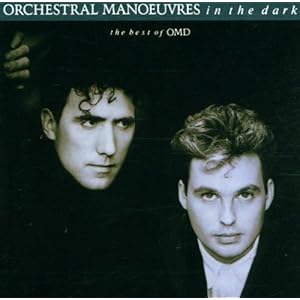
OMD. Orchestral Manoeuvres in the Dark for those of you not in the know. This review is a bit different in that it’s re-visiting sounds from back in the day through a current live concert featuring that band and those songs from back in the 80’s. OMD played melodic whimsical synth pop back then and they still do, having not played in the US for over 13 years or more, they opted to pull out the hits from the 80’s. I remember having the "best of" recorded on a cassette and I’m fairly certain after opening with a new song which sounded just like the old songs, they played the entire album. The high energy songs worked really well, the slower stuff which is basically the high energy stuff played slower opened the gates for boredom to set in. These are the sounds of early 80’s Prom and movies starring Molly Ringwald which generally take place at the Prom or some other school dance. I mean these are pleasant songs and the opening act Oh Land reminded me of how much worse synthpop could be and seeing a member of Freezepop in the audience then made me realize how much worse it could go from there and made me think at least I was grateful for seeing synthpop done well. But even synthpop done well has its drawbacks. Keyboard players like laptop musicians are just boring to watch, it’s sort of like a soundtrack to somebody doing their taxes or writing a paper or checking their email. Because all of these sounds going direct and how that doesn’t lend itself for variance, it sometimes comes across like you’re just listening to the CD played through a PA system. The boredom starts to set in as a result and they don’t help matter by moving into their slow jams around this point. Back in the day I would fast forward the cassette over these songs but I was stuck. The audience and even the band made me feel like I was at a board meeting or a corporate function, the skinny ties the band were wearing didn’t help matters. So my conclusion: synthpop is pleasant yet still boring after all these years. Here’s to the future!
Today, I present to you the Bangles. Like all good bands should do, they called it a day on their third record (although they’ve gotten back together in the double 0’s but I’m going to pretend that didn’t happen) and while most people are aware of the second (A Different Light) and third (Everything) records, the ones with their top ten hits written by professional songwriters, they mostly aren’t aware that before that they released an album called “All Over the Place” filled with songs they mostly wrote themselves, mostly by guitarist Vickie Petterson. The sound wasn’t as polished and was more straight up garage rock with a sixties influence. Of course it’s the early eighties so the songs are a bit cleaner and not as sloppily played as a lot of more recent indie bands but what they’ve recorded seems to be what a lot of indie-pop bands have attempted to achieve throughout the 90’s and 00’s. And they do it with a better sense of melody and harmony than a majority if not all of them. I just listened back to Lush & especially on their last record LoveLife, the sound they were heading toward can easily be related to the songs from “All Over the Place”.
Like the Mission UK, this was another album I purchased from the cheapies in the local PX (military base equivalent of wal-mart) and at the time, I was just getting into music that wasn’t metal…I blame this on Faith No More and to an extent the Cure but really that FNM “Introduce Yourself” album was the gateway and I had heard a few of the non-hit tracks from A Different Light and thought I’d check out the Bangles more thoroughly. If you know what I mean. For some reason the opening track reminds me of Teenage Mutant Ninja Turtles too, maybe I had just discovered them at the same time. Four girls in a band, four mutant turtles in the sewer. It makes sense.
EDIT: My judgement on this record has changed since i initially posted this. My judgement was that although it was fantastic indie pop, indie pop just wasn't my thing. However since then i've listened to this album quite a bit and think despite the corny lyrics it's a fantastic record. I also updated the video to more accurately fit what they were sounding like back then.
Another thing about the 80’s. Holy Crap are they embarrassing…..so instead of posting the actual videos, here's a live bootleg from a concert in 82 playing "Tell Me" also worth checking out is the live version of "Dover Beach" from the same era. It's kind of sad actually to see what they came from and what happened to them after being filtered through 80's Major Label fuckery (the corny studio musicians the producer brought in for the next two records really take a toll on the more raw rock n rolling they were capable of and also resulted in them being dismissed as a pop band in the ranks with Bobby Brown, Madonna etc. . .)
So in the early 90’s there were three important bands for me. The Cure, Cranes & Lush. All three of those bands had albums I could listen to on repeat and whom I would seek out bootleg recordings and attend their concerts at every opportunity, sometimes driving a few hours in order to do so. And I remember seeing them at Lollapalooza and the MC of the day coming on stage and proclaiming that this band was going to be around for a really long time like the Rolling Stones, which is funny since out of those three bands and even out of most of the bands on the bill that day, they’ve had the shortest life-span. Not to mention the thought of Lush as the golden girls kicking about onstage. My first time seeing them was in a small venue in Raleigh, NC with a horrible Flaming Lips (another band that has outlived and skyrocketed past them in popularity) as opener. It was the tour for Spooky, which loads of people seem to think is their best album and which incorrectly got them labeled as shoegaze over the years thanks to Robin Guthrie’s production. But overlooked at least in the US lodged between Spooky and Lovelife (the album that saw them transform into a straight up indie pop group) was this remarkable album Split. They started to shed the effects that Robin Guthrie painted them with and the songs took on more structure as opposed to just the wall of jangly guitars with high female voices cooing over them, It even had a few moments where they attempted to get back to their more punky side like ‘Blackout’. It was actually more in line with the Cure than with Cocteau Twins, Ride or Slowdive, the last three having never really made an impression on me although apparently whom every nu-gaze band worships along side of MBV. Much like those nu-gaze bands, to me what set Lush apart was that they weren’t just guitar sounds set to pop music, they actually had decent songs to go along with it. Seems they were always too ethereal for the rock fans and too rock for the ethereal fans but were just right for somebody like me.
So anyways, I haven’t really listened to Lush in a long while. Occassionally I’ll hear the song “For Love” someplace and think “oh”. But I saw something about them on the internets and decided to give it another spin. My conclusion is conflicted: The songs and the band are great, the production I can’t really get with. It’s not bad but it’s dated and sounds a bit lifeless. If it was blaring I could get into it but listening at a normal volume left a little to be desired. Little things like the guitars lack power, the drums are too far in the background, the bass could use a bit more low end or punch or something. It’s like I’m listening to a rough mix of an album as opposed to the real deal. To me I like every song on this album except for maybe Desire Lines & Never-Never and I don’t particularly dislike them, they actually remind me of rainy car rides in a white mitsubuishi mirage that has since left us. Maybe they tried to polish this one a bit too much, the production should have been closer to Lovelife and I think they thought it was too big of a jump to go from the Guthrie produced Spooky to a straight up alterna-rock album. Unfortunate. This is one of those album that I hope down the line will get snatched up in the wave of remastering and repackaging with b-sides old albums since nobody will buy the new ones craze. Having a decent version of Rupert the Bear would be cool as well since I think the only copy I’ve got of that is a Flexi-disc.
The thing about Metal bands are that they're not able to tap into the wealth of love, i'm in love or i'm out of love content most bands draw from. To compensate, they delve into writing songs about all the things they geek out about in absence of relationshiops. Things like Metal Music (Whiplash-metallica); Literature (Rhyme of the Ancient Mariner – Iron Maiden); Post-Apocalypse Fantasy (Post Apocalyptic City – Testament); Wars (anything by Slayer), Doin It (anything by Motley Crue) and Comics (I Am The Law – Anthrax).
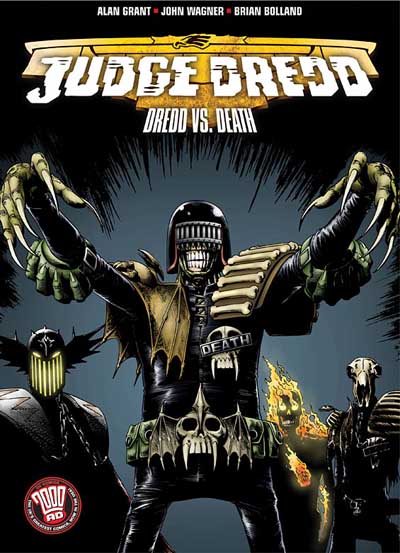
And due to my interest in metal in the late 80’s, this song by Anthrax introduced me to the world of Judge Dredd and my introduction to Dredd was through an anthology on his adventures with Judge Death, a Judge from another dimension who declares that all crimes are committed by the living and therefore living is a crime and punishable by death.
I’m not sure what happened to my copy of this comic, I mean graphic novel, maybe it wasn’t even mine to begin with but a loaner that I kept for an insanely long time. At any rate it vanished and just recently as I was ebaying I gave a search (I think also because I recently watched that Big Four DVD which contained a set by Anthrax) and purchased Judge Dredd vs. Judge Death. After receiving it, I noticed a couple of things. This wasn’t the same thing I had back in the early 80’s although it contained the same stories plus a few more and two, I thought the copy I had was in full-color but this is only black and white and three I guess I don’t really dig the comic format as a storytelling device. The art was cool and Dredd was kicking ass as per usual but Death and the other Dark judges really steal the show and are under utilized. While I guess most people seem to get introduced to comics via Marvel or DC, 2000AD titles like Dredd and Bad Company were the ones that caught my attention and maybe I'm judging the entire comic world based on their work primarily, what I noticed is that I require a bit more depth to enjoy a story and the comic world just leaves too much up to the imagination or comes across as shallow if you don't fill in the blanks yourself. For me I think it’s inability to really portray emotions realistically is what keeps me from being engaged. It was fine when I was a teenager when just the cool artwork was enough but I’m just not into it anymore, despite still digging the art and general idea of the book.
A brief run down of the plot line: As hinted above, Judge Death skips over to MegaCity-One to lay down the law of his world which is Guilty of Life, Sentenced to Death hard line stance. The Judges of MegaCity-One have to figure out how to stop him and fast. A Psi-Ops Judge, Judge Anderson, traps Judge Death in her mind and Judge Dredd uses some futuristic bonding spray called Boing to seal both her and Judge Death in a capsule of some sort. Fast forward to Judge Death Lives, his three compadres from his dimension sneak over, Judge Mortis, Fear & Fire and con some Megacity Dweller into cutting a hole in the capsule for Death to escape. This goes off without a hitch but the Judges are of course alerted and take on Judge Death again eventually following the Dark Judges back to their dimension to make sure they don’t return. In the end it wasn’t Dredd that saved the day but the souls of all of Judge Death’s victims on his own world using Judge Anderson as a medium to exact their revenge. Cool huh? When I was 16 definitely but not so much now. Don’t get me wrong, I’m not saying this is a bad comic just that comics aren’t really my cup of tea. 1 for Nostalgia 0 for me. There’s also a few more stories added at the end, like the War Games against the Sovs.
I had, like most kids, enjoyed comics, but outside of a Spider-Man, Superman, Batman or Hulk, I kinda just let comics pass me by. My mom would occasionally let me pick one up here and there. I mostly remember those being Marvel Team-Ups. I had an issue where Spidey and The Beast teamed up. At the time, I had no idea who The Beast was. As far as I was concerned, he was big, blue and had claws, so he had to be the bad guy. Later, I found out who The Beast was and discovered that, much like the majority of citizens of the Marvel Universe, I was a Mutant Bigot.
In the summer of 1987, I had purchased issue number three of Justice League International. Later on in life, that run of the Justice League would have a major impact on me and my sensibilities about comics and superheroes. JLI was also probably among the last successful "fun" mainstream superhero comics ever published. Current attempts to create fun superhero books tend to fail pretty spectacularly, or are just dumbed down for "kids".
But at the time, I still was only semi-interested in comics, and had no clue how much Keith Giffen and Kevin Maguire would mean to me in the future. Comics were comics and whatever. The comics elves churned 'em out for all I knew or gave a shit about. Then in October of that year, I went to a friend's house. Another kid who had been invited brought along a stack of X-Men comics. Seeing one of the covers (by Art Adams, another soon-to-be influence), I immediately wondered why Blue Beetle was getting shot. In my first ever encounter with Marvel vs. DC snark, it was quickly pointed out to me that the character in question was Cyclops, and Blue Beetle is a DC character and this was a Marvel book. Shortly thereafter, I was a complete X-Men nerd. Loved the book, loved the characters, and loved the concept. It was so different than any other comic I had ever read at the time (turns out it wasn't). Weeks later, that same kid - our friendship forged in the fires of comic geekery - lent me the original Wolverine mini-series. It was the first time I ever realized that people made these comics, and that I bothered to learn their names. It was also the first time I realized that I wanted to make comics for a living.
The thing about this book that had such an affect on 9-year old me was the complexity and maturity of the story. It was dark, it was violent and sexual, and still had a morality to it, and it blew my tiny little mind. And the art... good lord, the art. My friend and I would spend entire weekends tracing the covers and pages and panels of this slick, dark, beautiful art. Chris Claremont had crafted a story to rival any action/crime movie I had ever seen and Frank Miller became a fucking god to me. There is no other comic I own that I have read as many times as this book. This was the greatest comic ever made.
Then I got older and found comics better than this.
Reading Wolverine for the first time in 1988 - even though the book had been published in 1982 - I was completely unaware of the impact Miller had already had on the comic industry. By this point, he had completely revolutionized Batman with his Year One story and The Dark Knight Returns mini-series, neither of which I had discovered yet, and did not know of his work on Daredevil. When I finally did read those, I could not explain properly just how let down and disappointed I felt in seeing Miller's art in DKR compared to the work I fell in love with in Wolverine. To a very ignorant kid, it was such a drastic change in styles, I just assumed Miller suffered a stroke of some sort and couldn't draw anymore. I was heartbroken. As for Claremont, I stuck with him. I remained a loyal X-Men reader until he got booted off the book. It never seemed right to me after that, and outside of a few dips back into the stream, I never fully immersed myself back into the mutant waters until Grant Morrison wrote the book in 2001.
Claremont even made a couple returns, but he'd completely given in to his indulgences and would choke the life out of his comics with his excessive dialogue, narration and thought balloons. But to see Miller's fine, beautiful rendering in Wolverine to the gritty, sloppy mess that was Dark Knight, I just didn't understand it. That wasn't art. That's not what I had learned about art. Obviously, within a handful of years, I figured out the true meaning of "style" and learned not only to accept different ones, but also to love and embrace them as well. Miller remains an all-time favorite artist in my mind, but not for his early work, rather the later style he adopted to do Sin City and beyond. Which brings me to the distorted nostalgia portion of this clunker of a review.
For a comic that I revered for so long, by creators I'd idolized for so long, how does it hold up to 32-year old me? Turns out, not that bad actually. Certainly, the story and plot are as juvenile to me now as it was mature to me then, but it's still really solid. I think the story is as well written and tightly plotted as any great action/crime movie from the 80s, and still maintains a level of maturity that no other all-ages comic really holds today, which is essentially why I loved it so much back then. Despite how heady I thought it was back then, it is an all-ages comic that any kid could read. It maintains the illusion of being "grown-up" while being perfectly attainable and acceptable for any kid. This is the kind of children's entertainment that should be a standard and a norm, not an exception. It is never "written down" nor is it ever white-washed. Claremont and Miller knew their audience was growing older, but also knew that they needed the story to remain accessible. They crafted the perfect comic book for 1982, and with some storytelling and art tweaks, it's still an exceptionally good comic for 2011.
Claremont is at his prime, his use of dialogue, exposition and thought balloons and narration captions are all kept at the minimum he's comfortable with. He allows Miller's art to breathe and move on its own. Claremont knows he's working with one of the best sequential storytellers in the business and lets him work his magic.
However, knowing what I know now about comics and how the sausage is made, I realize that the art that I fell in love with is mostly the responsibility of Joe Rubenstein, the book's inker. Apparently the style that Miller started with DKR and refined with Sin City is how he drew comics back then as well, relying on the inkers to do the heavy lifting and "finish" the art. Rubenstein has a classic, slick style to his inks, and brought that to Miller's roughs, the same way Klaus Janson heavily influenced the look and feel of Miller's Daredevil run. Miller loves his shadows and the energy behind his art is due to his fluid and loose style. Some of that peeks through in the course of the story, but it's mostly Rubenstein giving Miller's pencil lines a polish that I don't think he's ever had since. Also, of course also knowing what I know now, Miller was most likely drunk.
Ultimately, Wolverine is not the fantastic be-all and end-all of comics that I thought it was at age 9, but at a jaded age 32, the absolute quality of the work overpowers the inherent flaws of simply being an old comic. If you've ever been a fan of the character or the X-Men and haven't read the original mini-series, it's worth the time and effort to move past the clunkiness of it's storytelling and tropes.
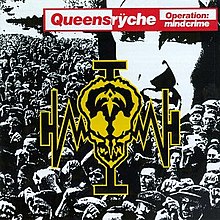
Well, this is from 1988. I was 13. Even at the time I thought the music was a little cheesy & over-the-top. But the storyline of a drug addict becoming a revolutionary that could save America from it’s government with the help of the Catholic Church seemed like if I played my cards just right it could be about me. Even though I loved this record, I only had a dub of it on cassette & I had re-arranged the order of the tracks to make it fit on the cassette (despite the fact the songs tell a story in chronological order). I probably haven’t even heard a song off of this record since 1990 as I started to get into speed metal & death metal at that time. Still I have jokingly sang a parody of “I Don’t Believe in Love” on a regular basis for years, though pretty much no one ever gets the reference.
So the first thing I notice about this record is the keyboard sounds are awful. They sound like a 1980s Yamaha & not in the ironic embracing way that some pop bands get away with. They are just awful. The vocal style reminds me of Iron Maiden & I don’t mean that in a good way. (Even in the 1980s I thought Iron Maiden’s artwork was way better than their music & I still think that. Though I haven’t listened to them in 20 years now so maybe Killers is a good record?) But I think some of the guitar arpeggio stuff on here may have sunk into my unconscious because every once in a while I hear a part of a riff that I have lifted into my own songs. I don’t know if I’ve ever heard a narrative album that wasn’t over the top & ridiculous, so I’m not sure I can fault this for that. I just find myself wishing this was an actual rock opera with video. I feel like I’m missing something with just the audio (I feel the same way about The Wall), but I don’t think they even made videos for most of the songs (at least I can’t find them on YouTube).
This record really does serve as a time machine for me & makes me want to go & smoke Marlboro Reds & drink beers in the woods at the park down the street & plan a revolution, but somehow I don’t think my best friend from junior high would know to show up. Still I can’t really whole-heartedly endorse it or push it away. I would say it’s an album worth hearing, just because the narrative element is so bizarre. Musically it really is way over the top glam metal which is fun & funny. I think it would be a fun album to take on tour & make the whole van listen to. You can probably find it used for about the same price as to rent a movie & I think it is worth an hour of your life hanging around a group of folks to talk about it.
Everybody knows somebody like this or if they don’t they most likely were this person in their social circle. You know the type, they fancied the world beyond whichever podunk town they had been plopped down into by a choice not of their own, either through birth, employment, romance or just sheer laziness. You’ll see them at art house cinemas, learning foreign languages so that they may drop a phrase or a word in to conversations with other native English speakers, raving over their latest ethnic food experience, all the while looking down their noses upon the mundane things that surrounded them. Their eyes always peering across the Atlantic. One thing these people all have in common, especially is that they all proclaim their love for Jean-Pierre Jeunet’s “City of Lost Children”.
Thanks to the American Convenience of OnDemand, I was able to check this movie out over this weekend and with the added insight of a few years of life experiences and growth between viewings and without shelling out my hardly earned cash. Verdict: File this under the what was I thinking category, like that bad hair metal band you listened to in Junior High, the silly haircut you had in the 90’s or smoking cloves in dark dank nightclubs during your local GothDisco nights. “City of Lost Children” just doesn’t stand the test of time…. at all and while I didn't love it back in the nineties I did think this movie was a well crafted piece of art. Yes, the visuals are spectacular, the set design, color schemes, wardrobe and cinematography are all breathtaking and it’s one thing that Jeunet excels at in all of his films, even that Aliens one. Unfortunately, that’s where the pros end and the bountiful cons begin. All of the characters are either norms struggling in this dark depressing world they find themselves in or the supporting cast of weirdos both are one dimensional, their weirdness portrayed only through physical characteristics and wardrobe, and both the weirdos and the norms dispositions have no effect whatsoever on the souls and essence of the characters being portrayed here. In fact, the most dynamic and best acted character in this movie is a brain that sits in a tank filled with greenish water. That said, the acting in this film is the equivalent to a high school production of “Hello Dolly” and the action sequences are no better. They come across as if we were watching the rehearsal of an action sequence and therefore mostly dull and uninspired. With so much working against this film that means the story and plot needs to be very compelling and it is here that the movie fails once again.
To quote Wikipedia: “The movie revolves around a plot by the mad scientist Krank (Daniel Emilfork), who kidnaps children to steal their dreams. Among them is the little brother of carnival strongman One (Ron Perlman), who sets out to rescue him with the help of a young, orphaned, thieves' guild member named Miette (Judith Vittet).
There’s a 1985 movie starring Arnold Schwarzenegger and Alyssa Milano called “Commando” with a similar yet more complex plotline and the acting is equally convincing. Yet somehow the artsy and pseudo-intellectual kids never took to it like they did “City of Lost Children”. During my latest viewing I was in danger of dozing off at several points and I blame this mostly on the fact that this movie had nothing to grab a hold of. The character struggles or even the character themselves were flat, uninspiring and mostly uninteresting. They never seem to care too much about what they’re actually doing and even the little brother who needed rescuing never ceased just being a cute kid on screen and therefore never was there ever a sense that he was in any sort of danger and in need of being rescued, just a cute kid oblivious to the world around him someone to gawk at and say "awwww" to. This film was just a visual masterpiece, but it’s kind of how when a woman will overcompensate for their low self-esteem or their lack of personality by wearing clothes that leave their breasts flopping out on display to distract you, that is basically what ‘City of Lost Children’ Is doing, flaunting it’s visuals due to lack of substance and/or smarts.
Twenty year old me bought this album when it came out in 1997 and it's safe to say it blindsided me like the rusty grill of a garbage truck. And that's kind of how this record sounded... like rust. Grimy, filthy rust covered guitar strings, drums and even throats belting out a melding of hardcore and stoner rock that sounded just a little different from all the other "sludge-core" or "doom-metal" or what have you that I'd been listening to around that time.
For some reason about five years ago I went through one of those purgings of my cd collection that people do from time to time and I got rid of a lot of stuff. Probably about 150 cds. I was streamlining. I was growing up. I was going through a mid-life crisis. Whatever happened I ended up with about a third of my cd collection intact. Over the ensuing years I've honestly not missed hardly any of them... but for some reason earlier this year I started thinking about Cavity. I mean, this was the band that inspired me to pay great homage (read: totally rip them off) by writing many guitar riffs in the vein of what I'd heard on "Somewhere.." for the band I was in during the late '90's-2000. They had floored me, inspired me and rocked my effing socks off. And now I missed them.
Well, living in Dayton, Ohio I of course had no options to buy the cd in person unless I drove about an hour to Columbus or Cincinnati... so I did just that. I went to a couple of record stores in Cincinnati with the singular purpose of finding this disc (or vinyl--I didn't care which)... all to no avail. So I hopped on the internet (during worktime of course) and ordered me a brand spanking new copy for around $15 and waited for it to arrive... wondering if it could possibly be anywhere near the sonic greatness I fondly remembered it as.
Now, let me just preface this by saying that although back when I first heard Cavity I was also really into slower softer music like Low and Dirty Three and Edith Frost... nowadays I'm way more so. I find myself listening much more to bands and aritists like Sun Kill Moon, Clem Snide, and Damien Jurado who most would call "sad bastard" or "sleepy-time" music (they of course are right... but that doesn't make me like them one teardroplet of artsy fartsiness less) than to Slayer or Sepultura (both of whom I also love dearly). That said, I opened up my new copy of "Somewhere..." and put it in the player.
Within seconds my head was banging and I was singing along like I was twenty again. This thing totally destroys... it's like if you locked early '80's Black Flag in a room with nothing but their instruments and the first four Black Sabbath albums (and of course some rations... I mean c'mon, we're not gonna be totally inhumane to the Flaggers are we?) for a year. This is what that would sound like. It's sludgy and heavy at times but mostly it's grindy blood boiling hardcore that makes you want to destroy something. Not in a malicious way though... more like when you watch one of those time elapsed videos of something in nature rotting away... it just feels natural. And so does this disc. Eleven tracks that singe and decay right there in your cd tray like some sort of burning robot made out of junk cars with frayed wires protruding from every crevice. Like I said earlier it's the sound of rust and filth the entire length of the disc.
And as if that's not enough there's a hidden track done in a way unlike I've ever seen (or at least yet discovered) again where you pop in the disc and rewind track one to reveal an entire live show before the track starts! How sweet is that?!?
Anyhoo... check 'em out. Cavity from Florida. Sadly they disbanded years ago (after putting out 4 or 5 albums total) and their sound changed a bit along the way ("Supercollider" ,their next release and probably my favorite of their discography, is similar to "Somewhere..." though cleaner and musically more mature and "On The Lam" was their last and smoothest sounding album although it still delves into the feedbacky rawness of their previous releases on occasion). After thirteen years this thing still holds up to be an amazing record and one that I definitely won't make the mistake of selling a second time despite any financial or space issues. If you have any interest in stoner metal and punk rock give this thing a listen.
Sometimes you have a favorite piece of art that shapes your life. But for some reason the art slips out of your life for a year. When you go back to it, has it changed or have you?












 Posts
Posts


